Global coordination, Local relevance.
The Food is Medicine Global Alliance (FIM GA) brings together leaders across research, healthcare, policy, implementation, funding, and advocacy to accelerate the integration of nutrition into healthcare systems worldwide.
As Food is Medicine gains momentum globally, evidence, implementation models, and policy approaches are often developed in isolation. The Alliance exists to connect these efforts, strengthen collaboration across countries and regions, and help advance a more coordinated global field.

the what
Food is Medicine refers to healthcare-integrated interventions that provide or subsidise nutritious food as part of healthcare delivery to prevent, manage, and treat diet-related conditions. Common examples include:

Produce and healthy food prescriptions
Fruits and vegetables provided to individuals with specific nutritional needs.
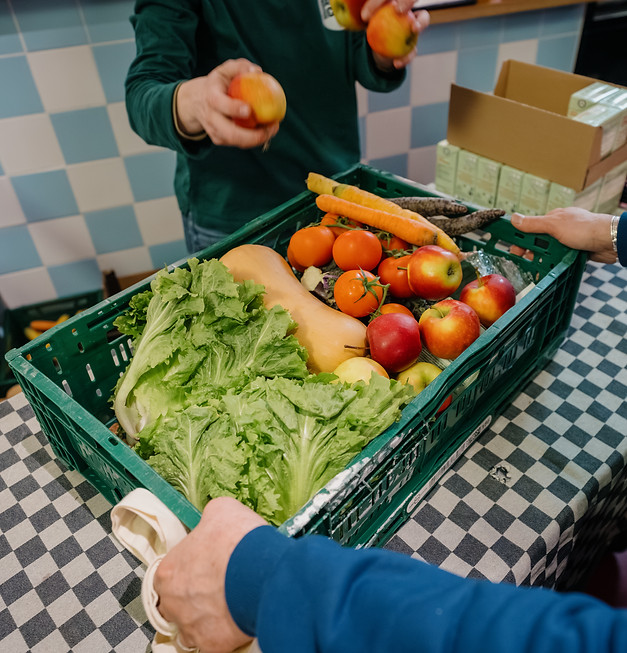
Medically tailored groceries
Curated grocery items that aim to treat specific diet-sensitive conditions and support health.

Medically tailored meals
Fully prepared meals for patients with severe, complex, or chronic conditions.
The WHY
Why is this work important?
Poor diet is a leading driver of death and disability globally, contributing to conditions such as cardiovascular disease, diabetes, obesity, and certain cancers. Improving dietary patterns can prevent up to 15 million deaths annually.
FIM approaches aim to improve health outcomes while also reducing healthcare costs, strengthening prevention (particularly for at-risk populations) and care systems, and advancing health equity.
Currently, efforts to advance FIM remain fragmented across countries and contexts. The Alliance helps address this by connecting and aligning efforts globally – moving FIM from isolated pilots to coordinated, system-level action.
The How
Improving health outcomes requires action at multiple levels:
Population-level healthy food policies and programs
Ensuring access to sufficient, affordable food.
Nutrition security programs
Creating healthier food environments and dietary behaviours.
Food is Medicine
Integrating nutrition directly into healthcare delivery.
The Alliance focuses specifically on healthcare-integrated nutrition interventions while recognising that lasting improvements in health outcomes require action across the wider nutrition ecosystem.
The goal
By 2030, the Alliance aims for FIM approaches to be:
Integrated
Integrated into healthcare systems across regions
Supported
Supported by strong, globally shared evidence and standards
Sustainably financed
Sustainably financed through governments, payers, and aligned funding mechanisms
Routinely delivered
Routinely delivered, where clinically appropriate, to improve patient outcomes and equity
